

Open Zillow in any zip code you sell in and count the listings on the first screen. Every one of them has the same layout: a photo carousel, a price, a bed and bath count, a map pin, and a contact form that sends the buyer's name to whoever paid for the slot.
Your listing is in that grid. So is every other agent's. And the buyer scrolling through it is doing exactly what the portal trained them to do: swipe, skip, save one or two, move on.
That is the problem nobody talks about at the listing appointment. You did everything right. Professional photos, a well-written description, the MLS, the portals, the open house. And the home still sits in a feed with three hundred others that look just like it.
The portal sells the page. Nobody sells the story.
A portal is built to keep buyers on the portal. Its job is to show as many homes as possible, as fast as possible, and to hand the inquiry to whoever bought the lead. It is very good at that job.
What it cannot do is tell anyone why this home matters. Why the street is quiet. Why the seller is moving. Why the price just came down. Why the agent who listed it has sold more homes in that neighborhood than almost anyone. That context is what turns a scroll into a showing, and the portal has no room for it.
A news story does. That is the whole difference.
Why people read news differently
People do not read a news page the way they browse a listing feed. A headline on a news site carries an assumption: someone thought this was worth writing about. Readers slow down. They read the second paragraph. They click the photos. They look for the name of the person in the story.
That is the format behind every Vertropic press release. Your listing, written up as news, with your name in the headline, published on USA TODAY's press release section and across its network of local news sites, then sent the next day to the more than 730,000 premium subscribers of our newsletter, The Property Shortlist.
There is one agent in that story. You. No grid. No competing listings in the sidebar. No lead form sending the buyer to someone else.
What it looks like when it works
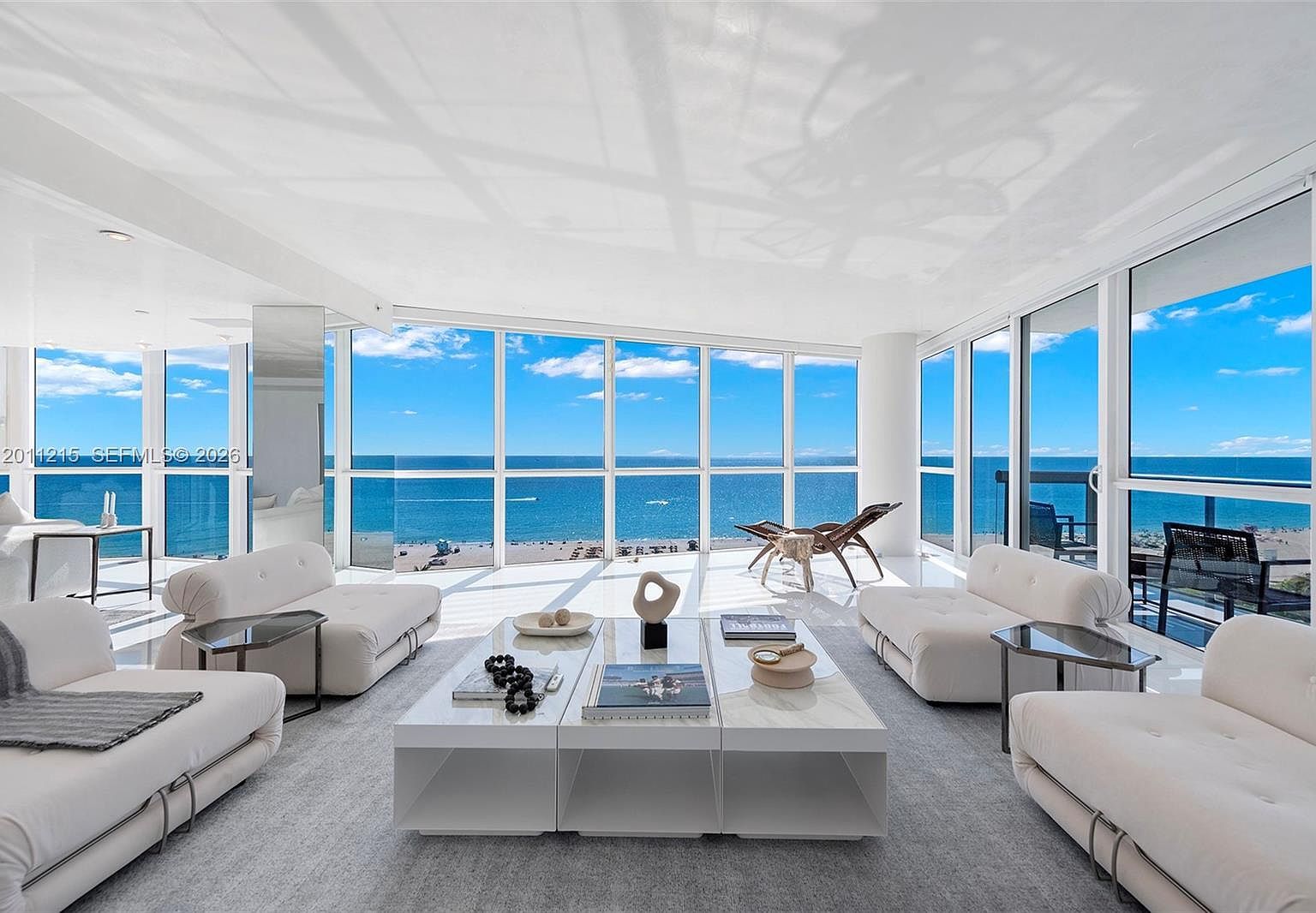
Jeffrey Miller of ONE Sotheby's International Realty already had his Miami Beach listings everywhere a listing can be. In his words:
"We already had the property on the MLS, the portals, the usual channels. So honestly, I wasn't expecting a press release to add much. Then a buyer's agent reached out after seeing it and asked to schedule a showing. That buyer ended up going under contract."
His story was read by 6,970 unique readers in its first three days, with 7,234 impressions, and two buyer inquiries came in by the next morning.
In Vail, Delfina Darquier of Engel & Völkers had the same experience from the other side of the deal:
"After the release went out, an agent contacted me about one of the properties. I asked where she'd seen it, she sent me the article. We scheduled a showing, her buyer came back for a second look, and we got an offer together."
Neither of them stopped using the portals. They added the one channel the portals cannot copy.
The math most agents never run
Think about what you already spend to get a listing noticed. Photography. Video. Drone footage. Boosted posts that disappear in 24 hours. Premier agent spend that sends the same buyer to three other agents.
Terri Novitsky, a broker in Clearwater, put it plainly after her story ran:
"I've spent way way more on a single listing video. This gave me something I could keep sharing with sellers, buyers, and past clients."
A press release does not disappear when the ad budget runs out. It stays on a news domain under your name, it keeps showing up when someone searches the address or your name, and you can send it to every seller, buyer and past client you have.
Why waiting costs more than it seems
Every week a listing sits, the price conversation gets harder, the seller gets more nervous, and the next listing appointment gets a little less certain. The agents who get ahead of that are not the ones with the biggest ad budgets. They are the ones whose name shows up in the news when a buyer, a buyer's agent or a seller goes looking.
The risk on our side is built to be close to zero for you. We write the story first and you read every word before anything runs. You can edit any line yourself. And you pay after it is live, not before. If it is not live, exactly as you approved it, within five business days, you get every dollar back.
So the real question is not whether a press release is worth trying. It is how many more weeks your listing should sit in a grid of three hundred before someone tells its story.
Want to see yours? Your story can be written within the hour, with your listings and your name in the headline. Get your press release drafted.